
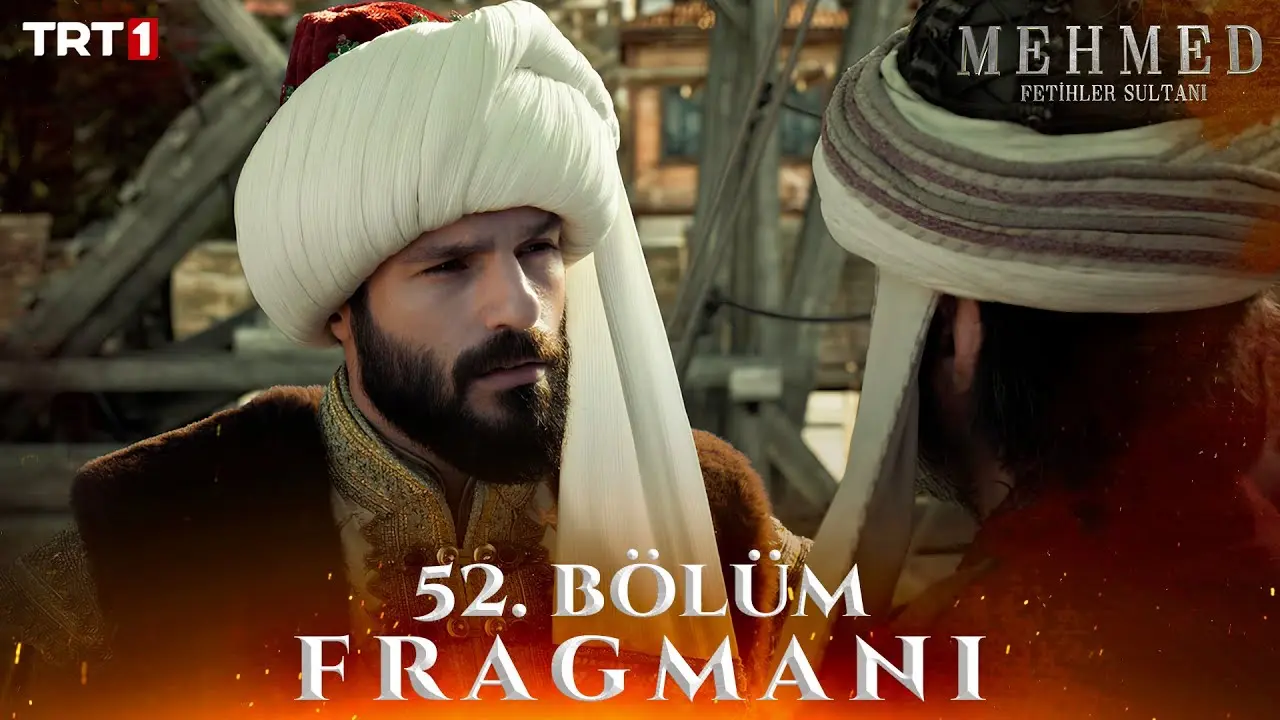
Mehmed Fetihler Sultanı Season 3 Episode 52 Trailer 1 With Urdu Subtitles
Mehmed Fetihler Sultanı Season 3 Episode 52 Trailer 1 With Urdu Subtitles
The historical series Mehmed Fetihler Sultanı has gained global admiration for the way it blends drama with historical storytelling. With the release of Season 3 Episode 52 Trailer 1, curiosity has grown among history readers and enthusiasts who wish to understand the cultural, political, and emotional depth behind the Ottoman period. This article takes a different perspective: instead of focusing only on the dialogues, it looks at the educational, historical, and philosophical layers hidden within the trailer.
A Glimpse into the Trailer
The trailer reveals an atmosphere of distrust, hidden secrets, and fierce rivalries. Several striking moments catch the eye:
- A warning to “give me a reason to keep your head on your shoulders.”
- Suspicion being described as a force that destroys both mind and body.
- Monasteries raided and secrets buried.
- A confrontation over bloodlines Karamanoglu versus Osmanoglu.
- The reminder that “cowards do not live long in these lands.”
These scenes are not just cinematic they reflect the values and survival strategies of medieval empires.
The Educational Value Behind Episode 52
1. The Philosophy of Power
The Ottoman Empire was built on discipline and loyalty. Leaders often used strong language to ensure obedience, not simply for intimidation but to maintain order in a world where betrayal could destroy entire kingdoms.
2. The Art of War
“In war, precaution and reinforcement are an art.” This line from the trailer emphasizes a timeless principle. Ottoman commanders were renowned for preparing meticulously, balancing strength with patience.
3. Secrets and Suspicion
The idea that “suspicion takes the mind away from the head” illustrates the destructive force of mistrust. Empires did not fall overnight they were weakened internally through suspicion, conspiracy, and betrayal.
Historical Context: Karamanids and Ottomans
To fully appreciate the tension in Episode 52, one must understand the Karamanids (Karamanoglu dynasty) and the Ottoman dynasty (Osmanoglu):
| Dynasty | Background | Historical Significance |
|---|---|---|
| Karamanids (Karamanoglu) | An Anatolian principality resisting Ottoman centralization. | Their rivalry with the Ottomans delayed unification of Anatolia. |
| Ottomans (Osmanoglu) | The ruling family of the Ottoman Empire. | Expanded territories across three continents and established one of the world’s longest-lasting empires. |
This rivalry is echoed in the trailer’s dialogue about “blood shed” and dynastic responsibility.
Religious and Cultural Symbolism
The mention of monasteries and hidden papers suggests more than a subplot—it reflects how religion and politics were deeply intertwined. Monasteries were not only places of worship but also centers of knowledge, diplomacy, and even resistance.
For audiences, this provides an opportunity to reflect on how religion, heritage, and politics often overlapped in medieval times, shaping alliances and conflicts alike.
Themes for History Readers
- Dynastic Bloodlines – Blood is a symbol of heritage and legitimacy in medieval power struggles.
- Justice and Loyalty – The call for reasons to “keep your head” reflects the strict rule of law.
- Courage and Survival – Cowardice was not tolerated in a society where bravery ensured survival.
- Intrigue and Betrayal – Secrets buried “in the darkness forever” remind us of conspiracies that shaped history.
Lessons from the Trailer
The series is more than entertainment—it provides lessons applicable even today:
- Leadership requires balance between strength and compassion.
- Trust is fragile and must be guarded carefully.
- Preparation in conflict is as important as bravery in battle.
- Cultural and religious institutions play major roles in shaping societies.
Educational Reflection: Mehmed II’s Legacy
Mehmed II, known as Mehmed the Conqueror, was a visionary leader who captured Constantinople in 1453. His reign was not just about conquests but also about administration, tolerance, and scholarship. Episode 52 connects to this legacy by showing how:
- Dynastic struggles influenced policy.
- Military brilliance secured empires.
- Religion and diplomacy intertwined with statecraft.
The trailer indirectly reflects the intellectual and strategic depth of Mehmed’s leadership.
Key Takeaways
- Symbolism: Dialogues highlight loyalty, courage, and suspicion.
- Historical Context: Rivalries between the Karamanids and Ottomans provide a backdrop.
- Educational Value: The series blends drama with real historical lessons.
Mehmed Fetihler Sultanı Season 3 Episode 52 Trailer 1 With Urdu Subtitles
MFSS3T1WUS pic.twitter.com/DbRdNoIGiU
— Osman Onlines (@OsmanOnlines) September 24, 2025
Conclusion
The Season 3 Episode 52 Trailer 1 of Mehmed Fetihler Sultanı With Urdu Subtitles captures the essence of power, loyalty, and survival in a turbulent era. For history readers, it is not only a dramatic preview but also an invitation to reflect on the values, struggles, and strategies that defined the Ottoman world.
By exploring dynastic rivalries, philosophical dialogues, and the interplay between faith and politics, this trailer stands as both entertainment and a valuable educational resource.
Frequently Asked Questions (FAQ)
It combines strong philosophical dialogues with historical symbolism, highlighting the tension of medieval leadership.
Because Ottoman history was shaped by conflicts with neighboring dynasties like the Karamanids, making these rivalries historically significant.
They symbolize the intersection of religion, secrecy, and politics in medieval times.
Through its focus on strategy, loyalty, and justice key values in Mehmed’s reign.
It transforms historical events into accessible storytelling, encouraging reflection on the political, cultural, and social forces of the Ottoman era.
Explore More Episodes: