
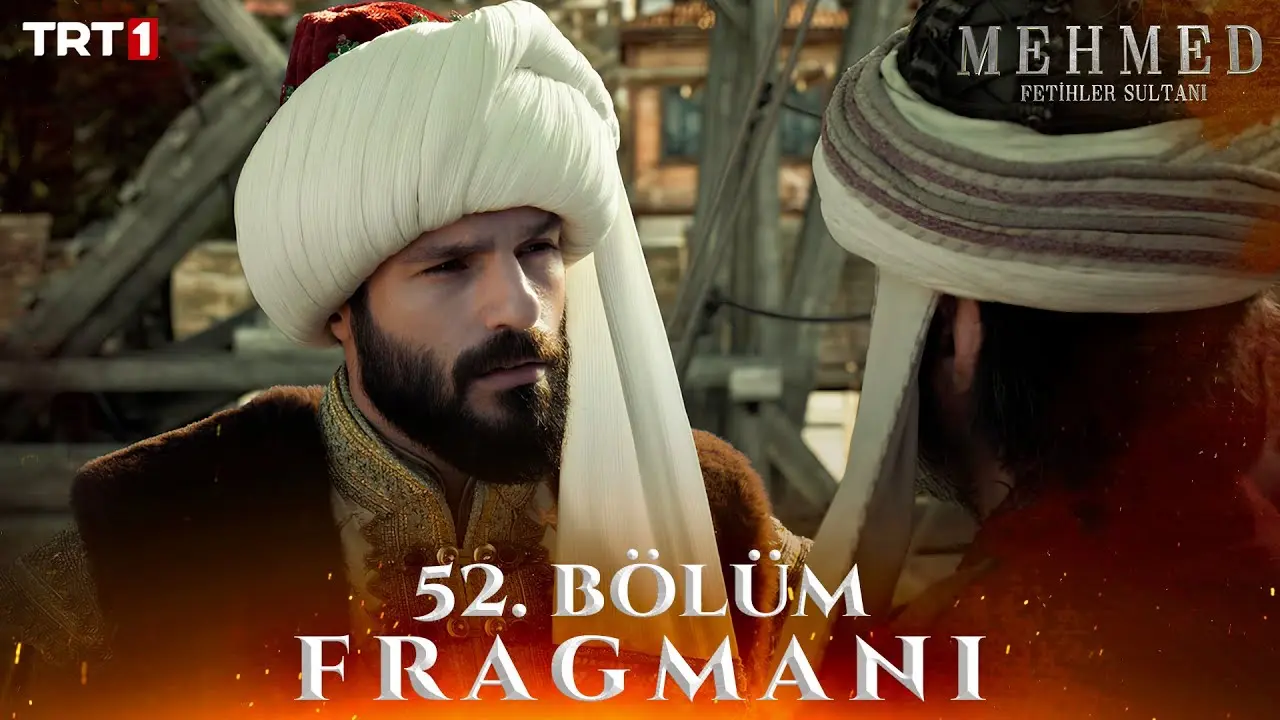
Mehmed Fetihler Sultanı Season 3 Episode 52 Trailer 1 With English Subtitles
Mehmed Fetihler Sultanı Season 3 Episode 52 Trailer 1 With English Subtitles
The historical series Mehmed Fetihler Sultanı has consistently captivated audiences with its blend of drama, history, and philosophy. As Season 3 Episode 52 Trailer 1 With English Subtitles is revealed, the excitement among history readers and viewers grows stronger. This trailer is not only a glimpse into upcoming events it is a carefully constructed narrative filled with symbolism, politics, and reflections on leadership.
In this post, we will explore the meaning behind the trailer, analyze its historical connections, and provide a deeper educational perspective for history enthusiasts.
The Anticipation Around Episode 52
Every new episode of Mehmed Fetihler Sultanı unfolds another layer of Mehmed II’s journey. Known as Mehmed the Conqueror (Fatih Sultan Mehmed), he is remembered as the Ottoman ruler who successfully captured Constantinople in 1453, marking a turning point in world history.
As Season 3 progresses, the narrative shifts toward the consolidation of Ottoman power. Episode 52 is expected to deal with:
- Tensions between dynasties.
- Betrayals and hidden conspiracies.
- The philosophy of war and leadership.
- The emotional burden of ruling an empire.
The trailer offers enough dramatic weight to spark discussions among historians, scholars, and casual viewers alike.
Dialogues That Shape the Tone of Episode 52
The trailer is composed of striking one-liners, each of which encapsulates centuries of wisdom, fear, and conflict. Let us revisit them with context:
- “Give me a reason to keep your head on your shoulders.”
- A reminder of how rulers often demanded absolute loyalty and punished betrayal with severity.
- “Suspicion takes the mind away from the head and the head away from the body.”
- Suspicion could destroy unity, especially in courts where intrigue was common.
- “They found the papers before us. Trips raided the monastery.”
- Suggests espionage and the significance of religious centers as knowledge hubs.
- “Apparently the Turks are after the same thing as us.”
- A reflection of rival powers competing for strategic resources or sacred texts.
- “In war, precaution and reinforcement are an art.”
- Highlights the Ottoman philosophy of war, where planning was as crucial as bravery.
- “Cowards do not live long in these lands.”
- Symbolizes the brutal realities of medieval Anatolia, where hesitation meant downfall.
Symbolism and Historical Meanings
The dialogues can be linked to historical realities:
| Trailer Dialogue | Symbolic Interpretation | Historical Parallel |
|---|---|---|
| Head on your shoulders | Loyalty and justice | Ottoman rulers often enforced discipline strictly. |
| Suspicion | Political instability | Intrigues in Ottoman courts and rival dynasties. |
| Monastery raid | Control of knowledge and faith | Monasteries were centers of manuscripts and learning. |
| Turks vs rivals | Competition for influence | Ottomans vs Karamanids or Crusaders. |
| Precaution in war | Strategic brilliance | Ottoman sieges required meticulous planning. |
| Cowards perish | Strength over weakness | Survival in turbulent Anatolia. |
The Karamanids vs the Ottomans
One of the recurring elements in the trailer is the mention of Karamanoglu blood and Osmanoglu blood. These are direct references to dynastic rivalries that defined Anatolia in the 14th and 15th centuries.
Who Were the Karamanids?
- A Turkish beylik (principality) based in central Anatolia.
- Frequently resisted Ottoman expansion.
- Known for promoting the Turkish language against the Persian and Arabic dominance in court culture.
Who Were the Osmanoglu?
- The ruling dynasty of the Ottoman Empire.
- Traced lineage to Osman I, the empire’s founder.
- Expanded territory through conquest, diplomacy, and centralization.
The Ottoman–Karamanid rivalry was not only about land but also about legitimacy. The Karamanids positioned themselves as defenders of Anatolian independence, while the Ottomans sought to unify the region under one empire.
The Role of Monasteries in Medieval Politics
The trailer’s mention of monasteries being raided underscores their historical importance:
- Centers of Knowledge: Monasteries stored manuscripts, maps, and sacred texts.
- Diplomatic Hubs: Many monasteries acted as neutral grounds for negotiations.
- Symbols of Faith: Controlling them meant controlling religious influence.
In medieval Anatolia and the Balkans, monasteries were not isolated places of worship they were key to both cultural identity and political leverage.
War as an Art
The dialogue “In war, precaution and reinforcement are an art” deserves special attention. The Ottomans were renowned for their strategic approach to warfare:
- Logistics: Supplying large armies over vast distances.
- Engineering: Using cannons, fortifications, and siege towers.
- Discipline: Training the Janissaries, an elite corps.
- Psychological Warfare: Spreading fear before battles even began.
Mehmed II himself was a master strategist. His success at Constantinople proved that war was not only about numbers but about planning, patience, and innovation.
Character Development in Episode 52
The trailer hints at significant character shifts:
- Bayezid: Struggles with loyalty and betrayal, asking if death is his fate.
- Allies and Rivals: Friends turn into enemies as suspicion spreads.
- Mehmed’s Vision: Balancing justice with survival in a turbulent empire.
This reflects a broader theme: the loneliness of leadership. Even surrounded by advisors and soldiers, rulers like Mehmed carried the burden of decisions that could shape history.
Lessons for History Readers
For readers approaching this episode from an educational perspective, several lessons can be drawn:
- Leadership is a balancing act between fear, loyalty, and justice.
- Dynastic rivalries shaped medieval politics as much as external wars.
- Knowledge was power, and controlling monasteries meant controlling influence.
- War was an art, blending strategy, engineering, and discipline.
- Suspicion could destroy empires, making trust one of the rarest commodities.
Educational Takeaways in Simple Points
- The episode highlights Ottoman–Karamanid conflicts.
- Dialogue reflects philosophical and political truths.
- Monasteries symbolize the struggle for faith and knowledge.
- Mehmed’s character embodies strategic brilliance.
- Episode 52 is not just a drama it is a window into Ottoman history.
Key Takeaways Table
| Key Aspect | What It Teaches Us |
|---|---|
| Dynastic Bloodlines | Family rivalries often decided politics. |
| Betrayal | Suspicion could end lives and alliances. |
| War Strategy | Reinforcement and preparation were vital. |
| Monasteries | Knowledge and religion were political tools. |
| Leadership | Mehmed balanced justice with survival. |
Mehmed Fetihler Sultanı Season 3 Episode 52 Trailer 1 With English Subtitles
MFSS3T1WES pic.twitter.com/MTYwwoDpxl
— Osman Onlines (@OsmanOnlines) September 24, 2025
Conclusion
The Mehmed Fetihler Sultanı Season 3 Episode 52 Trailer 1 With English Subtitles is more than a preview of a television episode it is a reflection of history, philosophy, and the timeless struggles of leadership. By combining dramatic storytelling with historical references, the series continues to engage both casual viewers and serious history readers.
For those interested in medieval politics, Ottoman strategies, and dynastic rivalries, Episode 52 serves as a compelling reminder that history is not just about dates and battles—it is about the choices, betrayals, and philosophies that shaped civilizations.
Frequently Asked Questions (FAQ)
It focuses on dynastic rivalries, political betrayals, and the philosophy of leadership and war.
Because it sets the tone of the episode and gives symbolic hints about the conflicts and strategies to come.
The Karamanids represent rival dynasties resisting Ottoman centralization, highlighting the political fragmentation of Anatolia.
They symbolize centers of knowledge and faith, often targeted in medieval power struggles.
As an “art,” reminding us that victory required preparation, reinforcement, and strategic brilliance.
Explore More Episodes: