
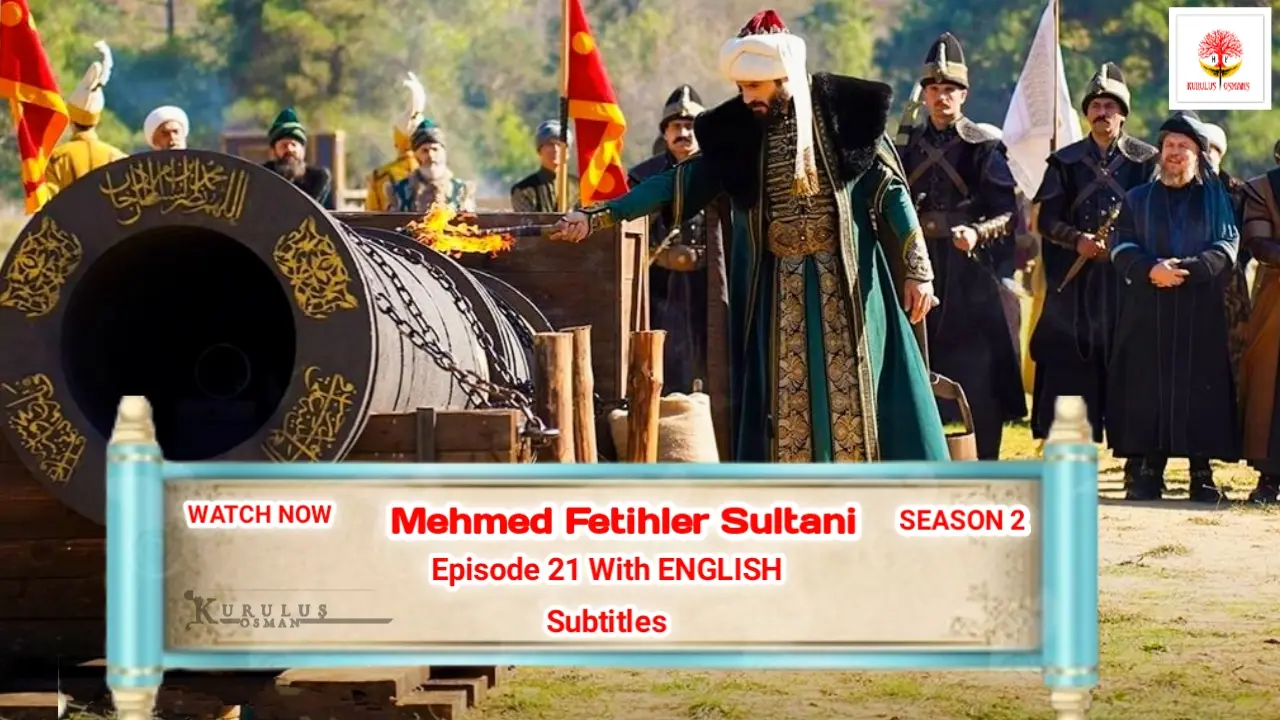
Mehmed Fetihler SultanI Season 2 Episode 21 With English Subtitles
Mehmed Fetihler SultanI Season 2 Episode 21 With English Subtitles
The historical drama Mehmed Fetihler Sultanı continues to captivate audiences with its deep portrayal of the Ottoman Empire’s turning points. In Season 2 Episode 21, the narrative unfolds with a combination of political intrigue, military strategies, and personal confrontations. This episode highlights the complex relationships between the leading figures of the Ottoman court, while also revealing how every decision could influence the destiny of an empire.
The Poisoned Robe: A Conspiracy Against Sultan Mehmed
One of the most striking events in this episode is the attempt to present Sultan Mehmed with a poisoned kaftan. Teke Sancak Beyi İsmail and other conspirators take center stage in this dark plot.
- Why was this attempt significant?
Because a successful plot would have not only ended the Sultan’s rule but also destabilized the future of the Ottoman state.
This conspiracy serves as a reminder of how fragile power could be during the 15th century. Even within the palace walls, loyalty was not guaranteed, and betrayal could come from those closest to the throne.
“The poisoned robe stands as a symbol of hidden treachery within the empire, where trust was both precious and rare.”
Zağanos Pasha: Betrayal or Redemption?
Zağanos Pasha plays a critical role in uncovering the assassination attempt. Although he had earlier faced dismissal for acting without the Sultan’s permission, his vigilance in this moment raises the question: Will Sultan Mehmed restore his honor and trust?
The episode explores:
- The fragile nature of political positions in the Ottoman Divan.
- The ongoing rivalry between Zağanos Pasha and Çandarlı Pasha.
- How past mistakes can either destroy reputations or pave the way for redemption.
Military Decisions: Sending Forces to Morea
Another highlight of Episode 21 is Zağanos Pasha’s earlier decision to send Hamza, Bali Bey, and the akıncı warriors to Morea without the Sultan’s consent. This action indirectly caused the death of Demetrios’ child and cost Zağanos his seat in the council.
This event raises deeper historical themes:
- The balance of authority between central power (the Sultan) and influential advisors.
- Consequences of unilateral decisions in times of war.
- How personal loss (Demetrios’ tragedy) could influence broader political strategies.
The Janissaries and the Massacre at the Golden Horn
When Sultan Mehmed learns about the massacre carried out by Ottoman janissaries at the Golden Horn, the response becomes crucial. The janissaries, traditionally known for their discipline, are now depicted in a state of moral and ethical crisis.
Key questions this episode presents:
- How should a ruler respond when his own elite forces act out of line?
- Will the Sultan’s judgment restore order or deepen divisions within the army?
- What impact will this have on morale before the great siege of Constantinople?
This sequence illustrates the delicate balance between discipline, justice, and unity in the Ottoman military system.
The Byzantine Side: Giustiniani’s Strategic Concerns
The Venetian commander Giustiniani, renowned for his military expertise, continues his role as a strategist for Byzantium. In this episode, he grows increasingly suspicious of spies within the city.
- Giustiniani suspects Lorenzo may be the link in a Byzantine intelligence chain.
- He debates whether to inform Emperor Constantine directly.
- His struggle demonstrates the fear of internal betrayal, which was as dangerous as any external threat.
The episode cleverly highlights how both the Ottomans and the Byzantines were vulnerable to espionage, mistrust, and secret alliances.
Table: Key Characters and Their Roles in Episode 21
| Character | Role in Episode 21 | Historical Significance |
|---|---|---|
| Sultan Mehmed | Target of poisoned robe plot | The conqueror of Constantinople |
| Zağanos Pasha | Exposed the conspiracy, seeks redemption | Advisor, strategist |
| Çandarlı Pasha | Rival of Zağanos | Influential statesman |
| Giustiniani | Suspicious of spies, plans counter-strategy | Venetian military commander |
| Lorenzo | Possible informant for Byzantines | Symbol of betrayal |
| Teke Sancak Beyi İsmail | Involved in poisoned robe plot | Represents internal dissent |
Mehmed Fetihler Sultani Season 2 Episode 19 With English Subtitles
Source 1:
The Web of Intrigue: Lomellino, Minotto, and Lorenzo
As the episode progresses, new layers of political intrigue emerge. Figures such as Lomellino, Minotto, and Lorenzo become central to the unfolding drama. Each character represents a faction within the Byzantine or Venetian alliances, highlighting the complexity of diplomacy and espionage during the late Byzantine period.
Their presence shows that the fate of empires often rested not only on battlefields but also in the hidden chambers of politics and betrayal.
Source 2:
Key Takeaways from Episode 21
- Assassination plots reveal the fragility of political power in the Ottoman Empire.
- Zağanos Pasha’s role is both controversial and redemptive, making him a pivotal figure.
- Military discipline and morality were constant challenges in sustaining an empire.
- Byzantine fears of espionage reflect the uncertainties of defending a weakened empire.
- The episode blends personal vendettas with the larger narrative of empire-building.
Conclusion
Mehmed Fetihler Sultanı Season 2 Episode 21 With English Subtitles offers far more than dramatic entertainment it provides viewers with a glimpse into the political, military, and social complexities of the 15th century. Sultan Mehmed’s leadership is tested not only by his enemies but also by those within his own court.
By weaving together conspiracies, military challenges, and diplomatic tensions, this episode illustrates the turbulent road leading to the great conquest of Constantinople. It reminds history readers that the fall of empires often begins within, and survival requires vigilance, wisdom, and unity.
Frequently Asked Questions (FAQ)
The episode focuses on the assassination attempt against Sultan Mehmed, the rivalry between key advisors, and the military and political challenges facing the Ottoman Empire.
Zağanos Pasha uncovered the assassination attempt, raising questions about whether he will regain the Sultan’s trust.
The tensions, conspiracies, and military decisions depicted in this episode build up to the larger historical event of Constantinople’s siege.
Giustiniani represents Byzantine resilience and suspicion. His concern about spies inside Constantinople adds to the atmosphere of mistrust and strategic maneuvering.
It shows that leadership requires constant vigilance, betrayal often comes from within, and unity is essential when preparing for monumental historical challenges.