
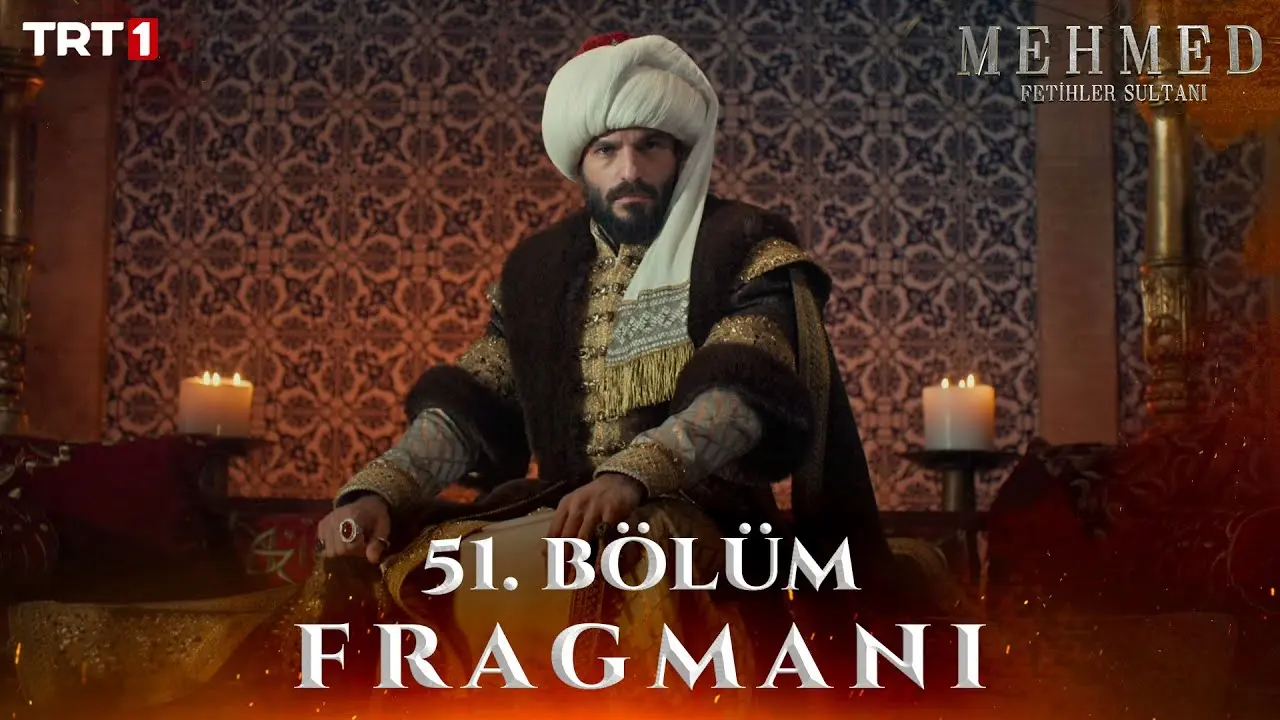
Mehmed Fetihler Sultanı Season 3 Episode 51 Trailer 1: A Historical Analysis
Mehmed Fetihler Sultanı Season 3 Episode 51 Trailer 1: A Historical Analysis
The grandeur of Ottoman history continues to inspire millions across the world, and dramatizations like Mehmed Fetihler Sultanı have brought these tales vividly to life. With the release of Mehmed Fetihler Sultanı Season 3 Episode 51 Trailer 1, audiences are once again drawn into the struggles, sacrifices, and triumphs of the empire’s most iconic figures.
This article offers an educational breakdown of the historical context, character dilemmas, and political tensions depicted in the upcoming episode. By blending cinematic storytelling with authentic history, we can understand not only the drama of the past but also the timeless lessons it holds for the present.
The Atmosphere of Fog and Uncertainty
The trailer begins with an evocative line: “The weather is so foggy that the truth is hidden behind lies and innocence is covered in carelessness.”
This opening sets the stage for a story clouded by intrigue, betrayal, and hidden motives. Fog has long symbolized confusion in both literature and history. In the Ottoman political environment, uncertainty often surrounded issues of succession, loyalty, and foreign threats. Just as the mist conceals landscapes, so too did false promises and secret alliances conceal the true intentions of rivals.
Justice as the Sword of Clarity
The narrative emphasizes that “Seeing what is right is only possible with the sword of justice.” This is a striking reminder that in turbulent times, words alone were rarely enough to determine truth. Justice had to be enforced through action, whether on the battlefield or in the palace court.
In Ottoman history, justice (adalet) was not merely an abstract principle; it was central to governance. Sultans were often judged by how fairly they maintained order. The statement reflects the struggle between law, power, and personal ambition that we will likely see in Episode 51.
Shehzade Bayezid: Between Loyalty and Rebellion
One of the central conflicts revealed in the trailer is the fate of Shehzade Bayezid. A line declares:
“Our Hunkar ordered our shehzade Bayezid to be taken to his presence. My Bayezid.”
The struggle between Bayezid and his rivals, particularly Shehzade Mustafa, highlights the dangers of dynastic succession disputes. Unlike modern monarchies, the Ottoman system did not have a fixed rule of primogeniture. Instead, multiple princes could claim the right to rule, leading to fierce rivalries.
Bayezid’s decision to disobey orders and leave his assigned sanjak is described as rebellion. This reflects the historical truth that princes were expected to remain loyal governors until the Sultan selected a successor. Disobedience often led to tragic consequences, including exile or execution.
The Dilemma of the Sultan
A crucial theme in the trailer is the Sultan’s heavy responsibility:
“Should our Sultan take our shehzade’s life to prevent Turks from turning against each other?”
This line illustrates one of the harsh realities of Ottoman succession politics: fratricide. While it may seem severe today, such actions were sometimes justified as a way to prevent civil wars that could tear the empire apart.
The Sultan’s burden was not only political but also deeply personal. The balance between paternal love and imperial duty remains one of the most painful aspects of Ottoman history, and the drama captures this conflict powerfully.
The Threat of Pedri and Foreign Intrigues
The character Pedri emerges as a significant antagonist. The words “I will not be able to find peace until that infidel called Pedri dies” reflect the intensity of enmity.
In Ottoman times, external threats often came from rival powers such as the Byzantine remnants, European kingdoms, or regional warlords. Figures like Pedri symbolize the constant foreign challenges that forced the empire to stay vigilant.
Additionally, the mention of a “hidden trust in Pontus” hints at treasure, secrets, or political leverage in the Black Sea region. Historically, Pontus was a contested area, and its strategic importance cannot be understated.
Political Stakes: State versus Ambition
The trailer boldly declares: “Whatever is necessary for the safety of the state will be done.”
This single sentence encapsulates the Ottoman philosophy of raison d’état — the idea that the state’s survival comes before personal interests. Throughout history, rulers faced the challenge of making painful decisions for the greater good.
Another dramatic line emphasizes this conflict:
“Either you take Bayezid’s head, or Muhammad takes your state.”
Such ultimatums illustrate the high stakes of dynastic disputes, where failure to act decisively could mean the downfall of the entire empire.
Watch Mehmed Fetihler Sultanı Season 3 Episode 51 Trailer 1 with English & Urdu Subtitles By Clicking On The Button Below 👇👇
Symbolism of the Boiling Cauldron
The metaphor “The cauldron must not boil. Let those who will get stuck under it worry about it, Agha.” reflects a common Ottoman expression of unrest. A boiling cauldron symbolized rebellion or chaos, while keeping it under control symbolized peace and stability.
This imagery was especially relevant in the Janissary Corps, where dissatisfaction often boiled over into revolts. The trailer uses this symbolism to suggest that civil unrest is close at hand.
Table: Key Themes in Episode 51 Trailer
| Theme | Description | Historical Relevance |
|---|---|---|
| Fog & Confusion | Symbol of hidden truths and lies | Reflects political intrigue |
| Justice | “Sword of justice” as ultimate clarity | Ottoman emphasis on law and fairness |
| Bayezid’s Rebellion | Disobeying orders, leaving his sanjak | Succession disputes |
| Sultan’s Dilemma | Choosing between sons for stability | Historical practice of fratricide |
| Pedri’s Threat | Foreign antagonist with hidden trust | Regional conflicts and external enemies |
| Boiling Cauldron | Symbol of unrest | Janissary revolts and political tension |
Key Takeaways
- Fog as a metaphor: Represents hidden political motives and uncertain alliances.
- Justice as action: Words are insufficient; justice must be enforced.
- Bayezid’s conflict: Loyalty versus ambition, reflecting real Ottoman succession crises.
- Sultan’s burden: Balancing family love with imperial responsibility.
- Foreign intrigue: Constant threats from rival powers like Pedri.
- State survival: Decisions driven by the safety of the empire above all else.
Conclusion
The Mehmed Fetihler Sultanı Season 3 Episode 51 Trailer 1 offers more than just entertainment; it is a window into the struggles that shaped one of the most powerful empires in history. The fog, justice, rebellion, and cauldron of unrest are not mere dramatic devices — they reflect the timeless dilemmas of leadership and survival.
For history readers, this episode provides an opportunity to reflect on the balance between power and justice, loyalty and ambition, family and state. Just as the Ottoman sultans faced these challenges centuries ago, the lessons remain relevant for leaders and societies today.
Frequently Asked Questions (FAQ)
The trailer highlights political intrigue, succession disputes, and the conflict between Shehzade Bayezid and other rivals, alongside external threats represented by Pedri.
Bayezid’s disobedience reflects historical succession struggles within the Ottoman dynasty, where princes often competed for the throne.
Themes include justice, rebellion, fratricide, foreign threats, and the struggle to preserve the state above personal interests.
While dramatized for cinematic effect, the series draws from real Ottoman challenges, such as succession conflicts, state security, and political intrigue.
Urdu subtitles make the series accessible to a wider South Asian audience, connecting them with Ottoman history and cultural storytelling.